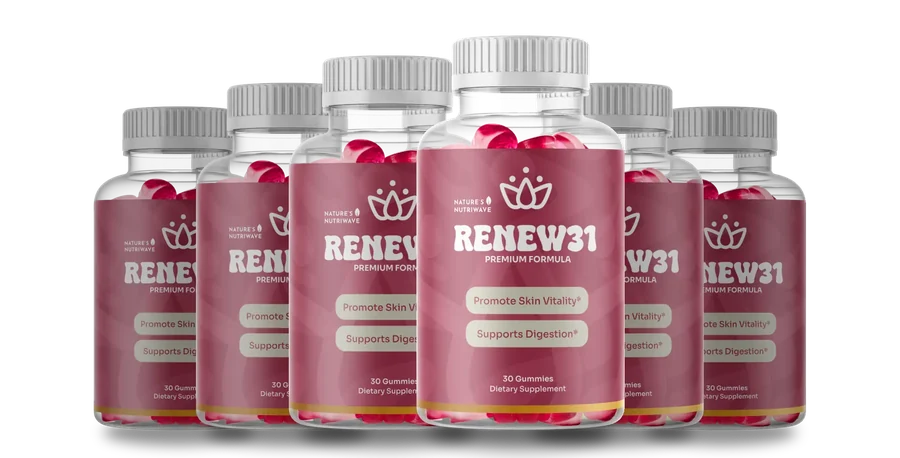
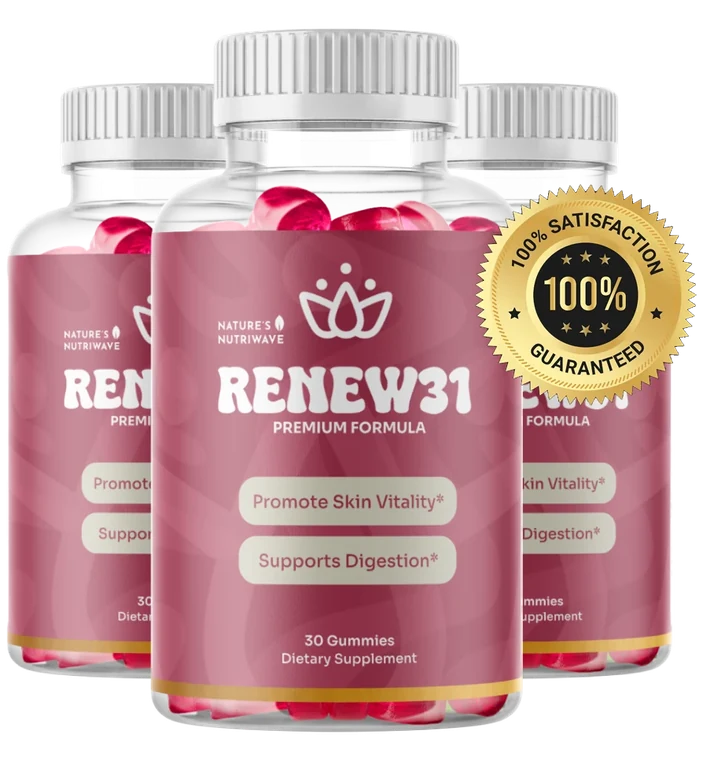
U.S. merchant desk — Renew31 30 gummies · one a day · 30 days 430 mg across nine · none itemised 500 Million CFU · no strain named Read the panel

Cautions and limits

Renew31 Side Effects: Cautions to Know Before You Start

The label’s own caution first, then the federal safety material ingredient by ingredient: the psoralen monograph behind the babchi, the two NIH sources that disagree about fenugreek, the fennel sun sentence, and the questions about this combination that nobody has answered.

Quick answer

No side effects are published for the Renew31 formula, and the label gives clear cautions.

If you are pregnant, nursing, taking medication or under a doctor’s care, ask a healthcare professional first. Fenugreek may interact with warfarin, and fennel comes with a note to avoid too much sunlight.

See who Renew31 is made for.

4 groups the caution names

The label’s own caution, verbatim

Printed exactly as the bottle prints it, before anything this desk has to add.

Caution, verbatim from the bottle

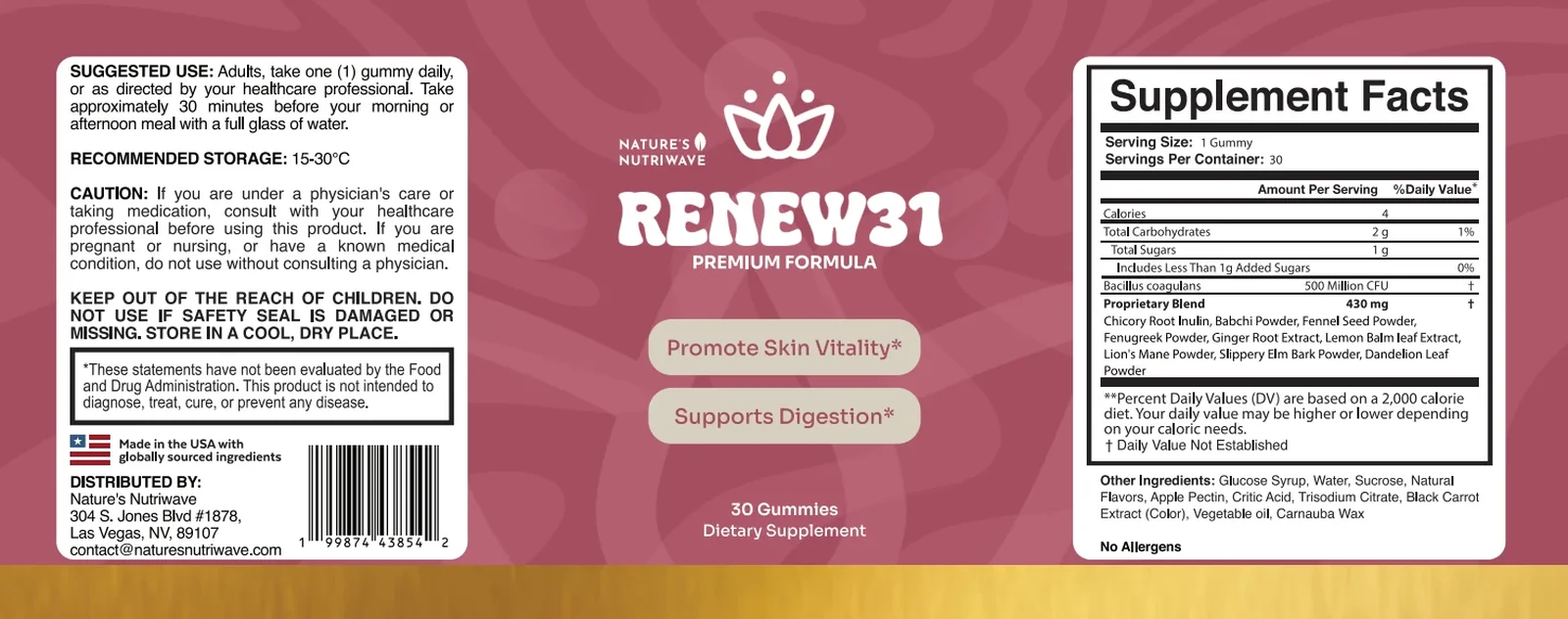
If you are under a physician’s care or taking medication, consult your healthcare professional before using this product. If you are pregnant or nursing, or have a known medical condition, do not use without consulting a physician.

And, also printed on the label: KEEP OUT OF THE REACH OF CHILDREN. DO NOT USE IF SAFETY SEAL IS DAMAGED OR MISSING. STORE IN A COOL, DRY PLACE.

Four groups, and all four are told to ask before rather than after. That is a complete caution and the label gets credit for it. It is also the only safety text on this product that came from whoever made it.

0 safety studies of this formula, in the supplied material

What is on the bottle, and what comes from somewhere else

The Renew31 label photographed flat, showing the caution paragraph, the storage lines and the distributor block
The caution, the storage lines and the safety-seal instruction are all printed on the regulated surface.

Everything else on this page comes from somewhere other than the bottle, and the distinction matters. No side effect is published for this product, because no safety study of this formula exists in the supplied material. That is not a safety record. It is an absence of one.

What this page can do instead is take the ten ingredients one at a time, quote the federal safety material where any exists, say plainly where none does, and then name the questions nobody has answered.

6 reasons to ask before you open the bottle

The reasons to ask before you open it, and they outrank the rest of this page

A cautions page is where a reader goes when something feels wrong, and sometimes when it is too late to ask. These are the reasons to ask first.

Ask a clinician first, in the label’s own words and the federal pages’

Two groups of people should put this bottle to a clinician before they open it, and the label says so itself. The caution printed on the bottle, word for word: “If you are under a physician’s care or taking medication, consult your healthcare professional before using this product. If you are pregnant or nursing, or have a known medical condition, do not use without consulting a physician.” That is a complete caution and the label gets credit for it. The federal record adds a reason of its own, and it is the reason this list sits at the top of the page rather than at the bottom. Nothing below predicts harm to anybody. It names the people for whom the answer to should I is a conversation rather than a purchase.

  • You are under a physician’s care — the label’s own caution says to consult a healthcare professional first
  • You are taking any medication — the label’s own caution says the same, and it does not list exceptions
  • You are pregnant or nursing — the label says do not use without consulting a physician
  • You have a known medical condition — the label says do not use without consulting a physician
  • You have a liver condition, or have had liver trouble before — because this blend holds babchi powder, and the federal monograph that mentions the powder is about liver injury
  • The skin change you are shopping for has not been looked at by anybody — NCCIH: “Some skin conditions may be signs of an underlying medical issue.”

9 of 10 rows with no amount to attach a caution to

The difficulty that runs through everything below

Cautions on this page with a dose attached to themnone

One structural difficulty runs through all of it and it is better said once at the top. Nine of the ten dietary ingredients on this panel carry no amount, so every caution below is a caution without a dose. The blend total is 430 mg and the members are ranked heaviest to lightest. Beyond that, no figure exists.

5 rows, and the dose attached to none of them

The per-ingredient federal safety matrix: rows one to five

Where no federal source covers a row at all, the cell says so rather than borrowing a sentence from somewhere adjacent.

The federal safety material for the first five rows of this panel, quoted rather than characterised, with the likelihood score where one exists.
IngredientWhat federal source covers itWhat that source publishes about safetyLikelihood score, or why there is noneWhat the panel gives a clinician
Bacillus coagulansNCCIH and ODS, general probiotic pagesNCCIH: “Probiotics have an extensive history of apparently safe use, particularly in healthy people.” But: “The risk of harmful effects from probiotics is greater in people with severe illnesses or compromised immune systems.” ODS, on the youngest group: “The FDA has reported that probiotics might cause infections or even life-threatening illness in preterm infants.”No score. ODS declines a general recommendation either way: “There are currently no formal recommendations for or against the use of probiotics in healthy people.”500 Million CFU — printed, but no strain
Chicory Root InulinNothing federal anywhereNo ODS page, no NCCIH page, no MedlinePlus monograph and no LiverTox entry. No federal safety material of any kind was located, so none is published for it here.No score, because no monograph exists. An absence of published guidance is not the presence of safety.No amount printed — and it is the heaviest of the nine
Babchi PowderNIH LiverTox, inside the monograph on psoralen“Powdered extracts of P. corylifolia have been linked to several instances of jaundice.” Pattern: “The typical pattern of injury is hepatocellular.” Onset: “The time to onset has ranged from 1 to 5 months, the typical latency being 6 to 8 weeks.” And: “Several instances of rapid recurrence of injury with rechallenge have been reported and rechallenge should be avoided.”“Likelihood score: C (probable rare cause of clinically apparent liver injury)”No amount printed — second of nine, so the second-heaviest
Fennel Seed PowderNIH LactMed only, which is a lactation database“Avoid excessive sunlight or ultraviolet light exposure while using this herbal.” On the liver, two reports rather than a conclusion: “Diarrhea and hepatomegaly occurred in a woman taking fennel, fenugreek, and goat’s rue as galactagogues.” And: “Elevated liver enzymes occurred in another woman taking Mother’s Milk Tea, which contains fennel.”No score. Both liver reports were in lactating women taking combinations, which is how they are described here — reports, not a likelihood score.No amount printed — third of nine
Fenugreek PowderNCCIH, plus NIH LactMed and NIH LiverToxNCCIH: “Large doses may cause a harmful drop in blood sugar.” LactMed: “It can also interact with warfarin to cause bleeding.” And: “Caution should be used in giving high dosages to women with diabetes mellitus or those taking warfarin.” And: “Allergic reactions, exacerbation of asthma, and a 14% decrease in serum potassium have been reported.”Two NIH sources disagree, and both are printed below. LiverTox scores it “Likelihood score: E (unlikely cause of clinically apparent liver injury).”No amount printed — fourth of nine

Not one cell in the third column is a sentence about this product. Each is a federal sentence about an ingredient that is named on this panel, and none of them is a prediction about any reader.

3 likelihood scores of E, the most reassuring LiverTox gives

And rows six to ten

And the last five rows, including the sentence NIH LiverTox prints ungrammatically about slippery elm, reproduced exactly as the source prints it.
IngredientWhat federal source covers itWhat that source publishes about safetyLikelihood score, or why there is noneWhat the panel gives a clinician
Ginger Root ExtractNCCIH and NIH LiverToxThe best-covered and safest-looking row on this panel. NCCIH: “Ginger has been used safely in many research studies where it was taken orally (by mouth) as a dietary supplement.” LiverTox: “Ginger is generally recognized as safe (GRAS, by the FDA definition) and has few if any adverse side effects.”“Likelihood score: E (unlikely cause of clinically apparent liver injury).” No federal page read for this site names a ginger-anticoagulant interaction, and none is asserted here.No amount printed — fifth of nine
Lemon Balm leaf ExtractNIH LiverTox only; no NCCIH page could be confirmed“Lemon Balm extract is generally well tolerated and has few if any adverse events.” And, carefully: “The frequency of hypersensitivity reactions to lemon balm extract is also not known.”“Likelihood score: E (unlikely cause of clinically apparent liver injury).”No amount printed — sixth of nine
Lion’s Mane PowderNIH LiverTox onlyOne reaction, described once: “At least one example of an acute hypersensitivity reaction to oral lion’s mane has been described.” On the liver, LiverTox is reassuring: “Lion’s mane has not been linked to serum enzyme elevations during therapy or clinically apparent liver injury.”Explicit about what has and has not been shown in people: “Most of these effects have been demonstrated in cell culture or in animal models but have not been found in humans.”No amount printed — seventh of nine
Slippery Elm Bark PowderNIH LiverTox onlyThe sentence below is printed ungrammatically in the federal source and is reproduced here exactly as the source prints it, because a misquoted federal page is the worst error this site could make. “Slippery elm has been linked to rare instances cutaneous allergic symptoms.”“In addition, despite common use, there have been no published case reports of liver injury attributed to slippery elm.” And: “Likelihood score: E (unlikely cause of clinically apparent liver injury).”No amount printed — eighth of nine
Dandelion Leaf PowderNCCIH“The use of dandelion in the amounts commonly found in food is considered likely safe.” But: “Less is known about the safety of taking dandelion in larger amounts.” And: “Some evidence suggests that topical dandelion may cause an allergic reaction in people who have atopic dermatitis (eczema).”No score. On medication, NCCIH says “If you take any type of medicine or supplements, talk with your health care provider before using dandelion...”No amount printed — last of nine, so the lightest

Three of these five carry a likelihood score of E, which is the most reassuring score LiverTox gives. A misquoted federal page would be the worst error this site could make, so the slippery elm sentence keeps the source’s own grammar and is not tidied.

From $49 a bottleThirty gummies, one a day, thirty days a bottle. Two bottles is the smallest pack offered, and it is exactly as long as the refund window.
Order Renew31

5 signals, every one of them traced to a federal sentence

Five signals that are worth a question, and where each one comes from

Yellowing of the eyes or skin, dark urine, unusual tiredness

The federal monograph behind this label’s skin ingredient is about liver injury, and “Powdered extracts of P. corylifolia have been linked to several instances of jaundice.” That is a sentence about an ingredient, not a prediction about you — but it is the signal a clinician would want to hear about, and LiverTox records “The time to onset has ranged from 1 to 5 months, the typical latency being 6 to 8 weeks.”
A rash, itching or any reaction after a dose

Three rows carry a hypersensitivity sentence. LiverTox on lion’s mane: “At least one example of an acute hypersensitivity reaction to oral lion’s mane has been described.” On lemon balm: “The frequency of hypersensitivity reactions to lemon balm extract is also not known.” On slippery elm, in the source’s own grammar: “Slippery elm has been linked to rare instances cutaneous allergic symptoms.”

A low blood-sugar reading, if you manage blood sugar

NCCIH, on fenugreek: “Large doses may cause a harmful drop in blood sugar.” The direction is a drop rather than a rise, the word in it is large, and the panel does not say whether the amount here is large.

Sunburn after less sun than usual

NIH LactMed on fennel: “Avoid excessive sunlight or ultraviolet light exposure while using this herbal.” And babchi is a psoralen-bearing plant: “Upon exposure to ultraviolet (UV) light, psoralen forms cross links between DNA causing cell injury and death.” The bottle itself prints no sun caution, and the label puts the dose before a morning or afternoon meal.

A new or worsening digestive symptom

ODS makes no recommendation for or against probiotics in healthy people, and NCCIH says “The risk of harmful effects from probiotics is greater in people with severe illnesses or compromised immune systems.” A new symptom is a clinician’s question rather than a shelf’s.

Nobody reading this is being told they will be harmed, and nobody already taking this product is being told to stop. Each card is a federal sentence about something named on this panel, and the useful thing to do with any of them is to read it out to a clinician with the bottle in hand.

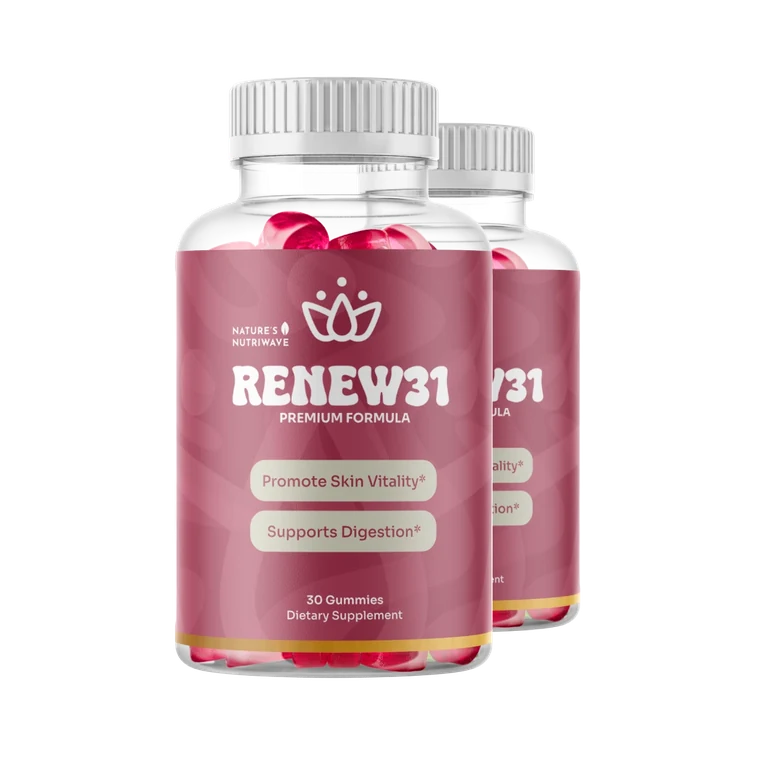
The two-bottle pack of Renew31, as the checkout shows it

The smallest purchase is two bottles, which is sixty days

  • 30 gummies a bottle, one a day, 30 days a bottle
  • Two bottles $158, three $207, six $294
  • A 60-day window from purchase, and 30 days of use asked for as well
  • Order support +1 (302) 200-3480 · ships from inside the US

The same offer every time this card appears. The pack adds one instruction beside its own figures and it is the right one: confirm it at the live checkout before you pay.

0 published human trials of swallowed babchi for skin

Babchi, psoralen, and the route that makes the difference

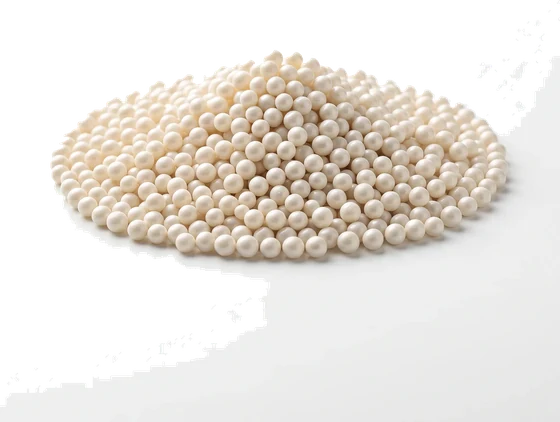
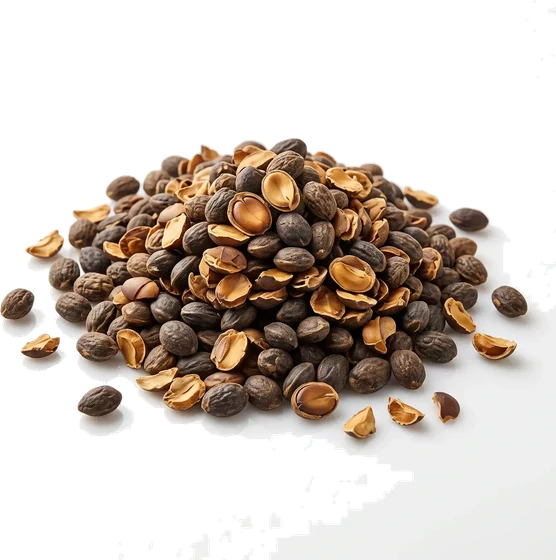
Babchi seeds, the studio photograph supplied with Renew31
Babchi, Psoralea corylifolia — second of the nine, and no amount printed for it.

Now the ingredient this page exists for. Babchi Powder is Psoralea corylifolia, it is the skin ingredient on this label, and it is listed second of the nine — so by the descending-order rule it is the second-heaviest thing in the blend.

Two facts about it are true at the same time and dropping either one misleads. The first: the human result that made this plant’s constituent bakuchiol famous was a cream. A 0.5% bakuchiol cream applied to the face twice daily, 44 participants, twelve weeks — Dhaliwal and others in the British Journal of Dermatology in 2019 — and no oral arm at all. No published human trial of swallowed babchi or swallowed bakuchiol for skin appearance was found. This product is swallowed. The second: the one federal document that mentions the powder is a monograph about liver injury.

1 federal document, and it is about the liver

Filed under a word nobody would look up

“Psoralen (sor’ a len) is a natural furocoumarin found in the seeds of Psoralea corylifolia”

NIH LiverTox, Psoralen

There is no federal consumer page under babchi, bakuchiol or Psoralea corylifolia. A reader searching those three words at ODS, NCCIH or MedlinePlus finds nothing. The plant appears in the federal record in exactly one place, inside NIH LiverTox’s monograph on Psoralen — filed under a word nobody shopping for a skin gummy would think to look up.

Score C probable rare cause of clinically apparent liver injury

The monograph, in its own words

Quoted in full rather than characterised, including the line about rechallenge, which is the one to show a clinician.

NIH LiverTox on psoralen, verbatim

“Powdered extracts of P. corylifolia have been linked to several instances of jaundice.”

“Likelihood score: C (probable rare cause of clinically apparent liver injury)”

“The typical pattern of injury is hepatocellular.” “The time to onset has ranged from 1 to 5 months, the typical latency being 6 to 8 weeks.”
“Several instances of rapid recurrence of injury with rechallenge have been reported and rechallenge should be avoided.”

“The mechanism of possible liver injury due to psoralen is unknown.” And, on light: “Upon exposure to ultraviolet (UV) light, psoralen forms cross links between DNA causing cell injury and death.”

1 case report, about a different preparation of the same seed

The case the monograph carries, and what it is not

LiverTox Case 2, which is more use to a reader than a score7 weeks

Boh-Gol-Zhee is the Korean preparation of dried Psoralea corylifolia seeds. A 44-year-old woman took it for seven weeks for menopausal symptoms and developed jaundice: bilirubin 7.3 mg/dL, ALT 398 U/L, AST 774 U/L, ALP 367 U/L. Verbatim: “Liver biopsy showed severe hepatitis with confluent necrosis.” She recovered after stopping.

Say exactly what that is and is not. It is a case report about a different preparation of the same seed, at an amount nobody has set beside the quantity this panel does not declare. It is not a prediction about any reader of this page and it is not a finding about this product. No FDA action naming babchi, bakuchiol or Psoralea corylifolia was found, and that is an absence rather than a clearance: FDA says of itself that it “The FDA does not generally review dietary supplements before they are sold to consumers.”

2 facts that are true at the same time

The sentence to carry away from this page

So the sentence to carry away is this one. The evidence that made this ingredient famous is for a cream, and the federal monograph that mentions the powder is about liver injury. Nobody reading this is being told they will be harmed, and nobody who is already taking this product is being told to stop. What this page says is: if you have any liver condition, or have had liver trouble before, or take anything daily, put the bottle to a clinician — and the monograph’s own line about rechallenge is the one to show them.

The three-bottle pack of Renew31, as the checkout shows it

Three bottles is ninety days at $69 a bottle

  • 30 gummies a bottle, one a day, 30 days a bottle
  • Two bottles $158, three $207, six $294
  • A 60-day window from purchase, and 30 days of use asked for as well
  • Order support +1 (302) 200-3480 · ships from inside the US

The same offer every time this card appears. The pack adds one instruction beside its own figures and it is the right one: confirm it at the live checkout before you pay.

2 federal databases, one plant, opposite conclusions

Fenugreek, where two NIH sources disagree

Warfarin, blood sugar, asthma and potassium, then a liver disagreement this site prints rather than resolves.

Fenugreek is the other row with real federal safety material, and it is the row where two NIH sources read on the same day reach opposite conclusions. Before that, the cautions all three sources agree on. NCCIH: “Large doses may cause a harmful drop in blood sugar.” NIH LactMed: “It can also interact with warfarin to cause bleeding.” And: “Caution should be used in giving high dosages to women with diabetes mellitus or those taking warfarin.” LactMed adds: “Allergic reactions, exacerbation of asthma, and a 14% decrease in serum potassium have been reported.” In proportion, NCCIH also says “Fenugreek is believed to be safe for adults and children in the amounts commonly found in foods.” and NCCIH states that fenugreek is not safe in pregnancy in amounts greater than those found in food.

Two NIH sources disagree about fenugreek and the liver. Both are printed.

NIH LactMed: “Liver toxicity has been reported, both taken alone and in herbal combinations that included fenugreek.”

NIH LiverTox: “Fenugreek has not been implicated in causing liver injury.” And: “Likelihood score: E (unlikely cause of clinically apparent liver injury).”

This site does not pick between them and does not average them. They are two federal databases, read on the same day, reaching different conclusions about the same plant. The useful thing to do with a disagreement like that is to show it to a clinician rather than to resolve it on a website — and to note that fenugreek is fourth of nine in a 430 mg blend, so no amount is printed for it either way.

2 of 9 blend members whose federal page mentions sunlight

Fennel, which brings the sun with it

“Avoid excessive sunlight or ultraviolet light exposure while using this herbal.”

NIH LactMed, on fennel — the third-heaviest member of this blend

That sentence lands hard on this particular bottle, because the label puts the dose about thirty minutes before a morning or afternoon meal and sells the product for skin — and because the second-heaviest member of the same blend is a psoralen-bearing plant. LactMed also says “Some sources recommend limiting the duration of treatment to 2 weeks.”, which is a duration note on a product with no printed course length at all.

On the liver, LactMed reports two cases rather than a conclusion: “Diarrhea and hepatomegaly occurred in a woman taking fennel, fenugreek, and goat’s rue as galactagogues.” And: “Elevated liver enzymes occurred in another woman taking Mother’s Milk Tea, which contains fennel.” Both are reports in lactating women taking combinations, which is how they are described here — reports, not a likelihood score.

500 Million CFU printed, and no strain named

The probiotic, where the exception is the point

Bacillus coagulans, the studio photograph supplied with Renew31
The one dietary ingredient on this panel with an amount of its own — and no strain beside it.

The probiotic next, where the federal pages are reassuring in general and specific about the exception. NCCIH: “Probiotics have an extensive history of apparently safe use, particularly in healthy people.” But: “The risk of harmful effects from probiotics is greater in people with severe illnesses or compromised immune systems.” ODS, on the youngest group: “The FDA has reported that probiotics might cause infections or even life-threatening illness in preterm infants.” And ODS declines to make a general recommendation either way: “There are currently no formal recommendations for or against the use of probiotics in healthy people.”

Two more ODS sentences belong on a cautions page rather than a benefits one. “It is worth noting that the number of CFUs in a probiotic can decline over time.” — which is why the “15-30°C” line on the bottle is worth following, and why a bottle that has spent an afternoon somewhere hot is worth inspecting. And: “Because some of these supplements may not have been studied, any potential health effects they have may not be known.”

0 safety studies of this combination

What is not known, said plainly

An absence of published side effects is not a safety record. Here is the shape of the absence.

Not published: any safety data on this combination

No safety study of these ten dietary ingredients together, at this blend total, in this dose form, exists in the supplied material. Be precise about what that means, because it is read the wrong way round constantly: an absence of published guidance is not the presence of safety.

Not published: an amount for any of the nine, so no caution has a dose

Every caution on this page is a caution without a number. The fenugreek is fourth of nine, the babchi second of nine, and the blend holds 430 mg in total. No individual amount exists, so a pharmacist asked about an interaction cannot be given the one figure they will ask for first.

2 documents that would answer both

And the two absences about what is in the bottle

Not published: a strain for the probiotic

ODS: “Probiotic microorganisms are named by their genus, species, and strain.” Genus and species are printed and the strain is not, so the organism in this gummy cannot be matched to either published Bacillus coagulans trial — and NCCIH says “Different types of probiotics may have different effects.”

Not published: an allergen control statement, or anything about the facility

The panel prints “No Allergens”, which is the manufacturer’s own phrase rather than a defined FDA term. FDA requires the major food allergens to be declared when they are present; it does not define a No Allergens claim. The other-ingredients line is complete and legible: “Glucose Syrup, Water, Sucrose, Natural Flavors, Apple Pectin, Critic Acid, Trisodium Citrate, Black Carrot Extract (Color), Vegetable oil, Carnauba Wax” Nothing supplied says anything about where these gummies were made.

From $49 a bottleThirty gummies, one a day, thirty days a bottle. Two bottles is the smallest pack offered, and it is exactly as long as the refund window.
Order Renew31
The six-bottle pack of Renew31, as the checkout shows it

Six bottles is a hundred and eighty days at $49 a bottle

  • 30 gummies a bottle, one a day, 30 days a bottle
  • Two bottles $158, three $207, six $294
  • A 60-day window from purchase, and 30 days of use asked for as well
  • Order support +1 (302) 200-3480 · ships from inside the US

The same offer every time this card appears. The pack adds one instruction beside its own figures and it is the right one: confirm it at the live checkout before you pay.

2 agencies, two different jobs

Where a problem goes, and which desk takes it

One agency for the product and one for the selling — and an email on the bottle rather than a phone number.

A reaction, or a bottle that does not match its label

That is a product problem and it is FDA’s. Keep the bottle, the lot code and the packaging: a report with a lot number on it is worth several without one. The lot supplied with this product is R-26/GO-7118, but the string that matters is the one printed on yours.

A charge, a subscription or an advertisement

That is a selling problem and it is the Federal Trade Commission’s. Have the order ID and a screenshot of the checkout in front of you, with the date showing.

A question about the gummies themselves

The bottle prints no telephone number at all. It prints an email beside the distributor: [email protected], under the words DISTRIBUTED BY. That is the address the panel gives you for a question about the product.

A question about an order

The order desk is +1 (302) 200-3480 with the order ID, and the order-support email is [email protected]. This website cannot see an order at all, and its own address, [email protected], is for pages and typos.

The actionable part is short and it has two halves. A problem with the product — a reaction, a bottle that does not match its label, a supplement sold as a treatment for a disease — is FDA’s. A problem with the selling — a charge you did not authorise, a subscription you did not agree to, a struck-through figure you think was never a real price — is the Federal Trade Commission’s, and it is the FTC whose Guides Against Deceptive Pricing are quoted on the pricing page of this site. No complaint address or reporting URL for either agency was supplied to this desk, so none is printed here; both publish one, and the FDA pages this site does cite are listed in the sources at the foot of the page. Whatever you report and wherever you report it, it goes better with the order ID and a screenshot in front of you — and the order desk on +1 (302) 200-3480 is the only number in the supplied material that can see an order at all.

0 actions naming this product, found anywhere

What the federal databases were searched for

FDA publishes a consumer page on health fraud scams, and the category this product is sold into is the one that page describes: a supplement marketed for an appearance claim and a digestive claim, bought online, taken without telling a clinician. The one sentence this site takes from that page, word for word: “Health fraud scams waste money and can lead to delays in getting proper diagnosis and treatment.” The second half is the half that costs something. Nothing on that page names this product, and this site does not suggest otherwise.

Questions

Renew31 FAQ: side effects questions

What are the side effects of Renew31?

No side-effect list for the product exists, because no trial of the product exists. What exists is federal material on individual ingredients, and the sharpest of it is about babchi: NIH LiverTox records “Powdered extracts of P. corylifolia have been linked to several instances of jaundice.” with “Likelihood score: C (probable rare cause of clinically apparent liver injury)”. Six of the ten ingredients carry federal safety material of some kind and all of it is on the side-effects page.

Is Renew31 safe?

Nobody can answer that for the product, because the amounts of nine of its ten dietary ingredients are not printed and no trial of the formula exists. The label’s own caution names four groups who should ask first, and the babchi monograph adds a fifth: anyone with a liver condition. If you take any medication, the honest answer is that this is a conversation rather than a purchase.

Is babchi safe to swallow?

The federal record on the swallowed form is a liver monograph, and this is what it says. “Powdered extracts of P. corylifolia have been linked to several instances of jaundice.” “Likelihood score: C (probable rare cause of clinically apparent liver injury)”. “The typical pattern of injury is hepatocellular.” “The mechanism of possible liver injury due to psoralen is unknown.” Nothing here predicts harm to any reader. It is the record, and the right thing to do with it is show it to a clinician.

Do two NIH sources really disagree about fenugreek?

Yes, and both are printed here rather than one being chosen. NIH LactMed: “Liver toxicity has been reported, both taken alone and in herbal combinations that included fenugreek.” NIH LiverTox: “Fenugreek has not been implicated in causing liver injury.” and “Likelihood score: E (unlikely cause of clinically apparent liver injury).” Resolving that is not this desk’s job. Knowing the record is divided is the useful part.

Does Renew31 make you sun sensitive?

Nothing supplied says that about the product, and this site does not say it. What it does report is that two separate federal sources mention sunlight in connection with two separate ingredients in this blend. NIH LactMed on fennel: “Avoid excessive sunlight or ultraviolet light exposure while using this herbal.” And NIH LiverTox on psoralen, the babchi monograph: “Upon exposure to ultraviolet (UV) light, psoralen forms cross links between DNA causing cell injury and death.” They are printed together because they land together on a gummy taken before a daytime meal.

Can Renew31 cause an allergic reaction?

The panel prints “No Allergens”, which is the manufacturer’s own phrase rather than a defined FDA term. Three federal sentences about ingredients in this blend are worth knowing. LiverTox on slippery elm, printed exactly as the source prints it: “Slippery elm has been linked to rare instances cutaneous allergic symptoms.” LiverTox on lion’s mane: “At least one example of an acute hypersensitivity reaction to oral lion’s mane has been described.” And NCCIH on dandelion, about the topical form: it may cause an allergic reaction in people who have atopic dermatitis.

References

Sources for this page

  1. NIH LiverTox, National Institute of Diabetes and Digestive and Kidney Diseases. Psoralen. www.ncbi.nlm.nih.gov. Accessed October 12, 2026.
  2. National Center for Complementary and Integrative Health. Fenugreek. www.nccih.nih.gov. Accessed October 12, 2026.
  3. NIH LactMed, National Institute of Child Health and Human Development. Fenugreek. www.ncbi.nlm.nih.gov. Accessed October 12, 2026.
  4. NIH LiverTox, National Institute of Diabetes and Digestive and Kidney Diseases. Fenugreek. www.ncbi.nlm.nih.gov. Accessed October 12, 2026.
  5. NIH LactMed, National Institute of Child Health and Human Development. Fennel. www.ncbi.nlm.nih.gov. Accessed October 12, 2026.
  6. National Center for Complementary and Integrative Health. Probiotics: What You Need To Know. www.nccih.nih.gov. Accessed October 12, 2026.
  7. NIH Office of Dietary Supplements. Probiotics — Consumer. ods.od.nih.gov. Accessed October 12, 2026.
  8. National Center for Complementary and Integrative Health. Dandelion. www.nccih.nih.gov. Accessed October 12, 2026.
  9. NIH LiverTox, National Institute of Diabetes and Digestive and Kidney Diseases. Lion’s Mane. www.ncbi.nlm.nih.gov. Accessed October 12, 2026.
  10. NIH LiverTox, National Institute of Diabetes and Digestive and Kidney Diseases. Slippery Elm. www.ncbi.nlm.nih.gov. Accessed October 12, 2026.
  11. NIH LiverTox, National Institute of Diabetes and Digestive and Kidney Diseases. Lemon Balm. www.ncbi.nlm.nih.gov. Accessed October 12, 2026.
  12. NIH LiverTox, National Institute of Diabetes and Digestive and Kidney Diseases. Ginger. www.ncbi.nlm.nih.gov. Accessed October 12, 2026.
  13. U.S. Food and Drug Administration. Facts About Dietary Supplements. www.fda.gov. Accessed October 12, 2026.

Order Renew31 from the official page

30 gummies a bottle, one gummy a day, thirty days a bottle. The panel itemises Bacillus coagulans at 500 Million CFU and declares a 430 mg proprietary blend holding nine ingredients, not one of which carries an amount of its own. There is no one-bottle pack: two bottles is $79 each and $158 in total, and the window is 60 days from purchase with 30 days of use also asked for. Order support +1 (302) 200-3480.

From $49 a bottle by pack size · 60-day window from purchase, and 30 days of use asked for · ships from inside the US · order support +1 (302) 200-3480

What this page was checked against

Three sources, and a review slot

  • The photographed bottle — the Supplement Facts panel, the other-ingredients line, the warning panel and the disclaimer box.
  • The material the seller supplied with this product, reported as the seller’s and labelled as such wherever the two disagree.
  • Federal and published sources at MedlinePlus, NINDS, NIH ODS, FDA, FTC, the eCFR, PubMed and Cochrane, opened and read on .

Every figure on this page is either printed on the label or derived from what is printed, with the derivation shown beside it. The medical review sits in the block alongside.

Editorial standards · How a fact gets onto a page here

Medical review Dr. Marisa Garshick, MD, FAAD

Who wrote this page, and who reviews it

Written by
The Gorenew31 editorial desk — the desk that reads the bottle, the supplied pack and the federal pages.
Medically reviewed by
Dr. Marisa Garshick, MD, FAAD, MD, Physician
Role
Medical reviewer
Review date
October 13, 2026

A slot stays marked until a real person fills it. Nothing on this site is signed by anybody who has not read it. Who reviews these pages?

Renew31 — 30 gummies, one a day 30 days a bottle · $79, $69 or $49 a bottle by pack · 60-day window from purchase